






RBI e-Rupee: How to Use India’s Central Bank Digital Currency
In recent months, RBI’s e-Rupee — India’s Central Bank Digital Currency (CBDC) — is quietly gaining ground. Though not many everyday people are using it yet, its total circulation has already touched ₹1,016 crore, as per the latest data.
So what exactly is the e-Rupee, how do you use it, and why is the Reserve Bank of India pushing this digital version of our money?
Let’s understand everything about this new kind of currency in simple Indian English — without confusing jargon, and in a tone that feels like you’re having chai with a financially smart friend.
What Is RBI’s e-Rupee or Central Bank Digital Currency?
A Digital Version of the Rupee
In simple words, the e-Rupee is just like our normal rupee, but completely digital. It is issued by the Reserve Bank of India and is backed by the Government of India, just like physical cash.
So ₹500 in e-Rupee has the same value and trust as a ₹500 note in your wallet. You can use it to buy tea, groceries, recharge your phone, or even transfer to friends — just digitally.
Unlike UPI, which involves banks in the backend, e-Rupee is like giving digital cash directly — without any third-party bank processing the transaction.
RBI e-Rupee vs UPI vs Wallets – What’s the Difference?
| Feature | e-Rupee | UPI | Wallets (Paytm, PhonePe) |
|---|---|---|---|
| Backed by | RBI | Your Bank | Private Companies |
| Intermediary | None | Bank involved | Wallet app |
| Interest earning | No | Yes (via savings a/c) | No |
| Offline use | Possible (Pilot) | No | No |
| Privacy | High (like cash) | Low | Low |
The biggest advantage of e-Rupee is privacy and direct control, just like cash in hand.
e-Rupee in Circulation Grows to ₹1,016 Crore — What It Means
The Reserve Bank of India launched the e-Rupee in two forms:
- Retail e-Rupee: For the public like you and me
- Wholesale e-Rupee: For banks and institutions
So far, over ₹1,016 crore worth of e-Rupee is in use, mostly driven by wholesale transactions. But the retail use is slowly rising, especially in cities like Mumbai, Delhi, Bengaluru, and Bhopal, where pilot programs are active.
According to RBI, they are now also exploring cross-border CBDC pilots, which means in future, we might be able to send or receive e-Rupee across countries — like digital remittance.
How to Use RBI’s e-Rupee as a Normal User
Step-by-Step Guide for Beginners
Here’s how you can start using RBI’s central bank digital currency if it is available in your city:
Step 1: Download the e-Rupee App (Pilot Only)
Currently, selected banks like SBI, ICICI, HDFC, Yes Bank, and IDFC First are offering access to e-Rupee apps (pilot mode). These are different from regular UPI apps.
Step 2: Complete e-KYC
You’ll need to verify your identity using Aadhaar, PAN, or other KYC documents. It’s a quick digital process.
Step 3: Load e-Rupee to Your Wallet
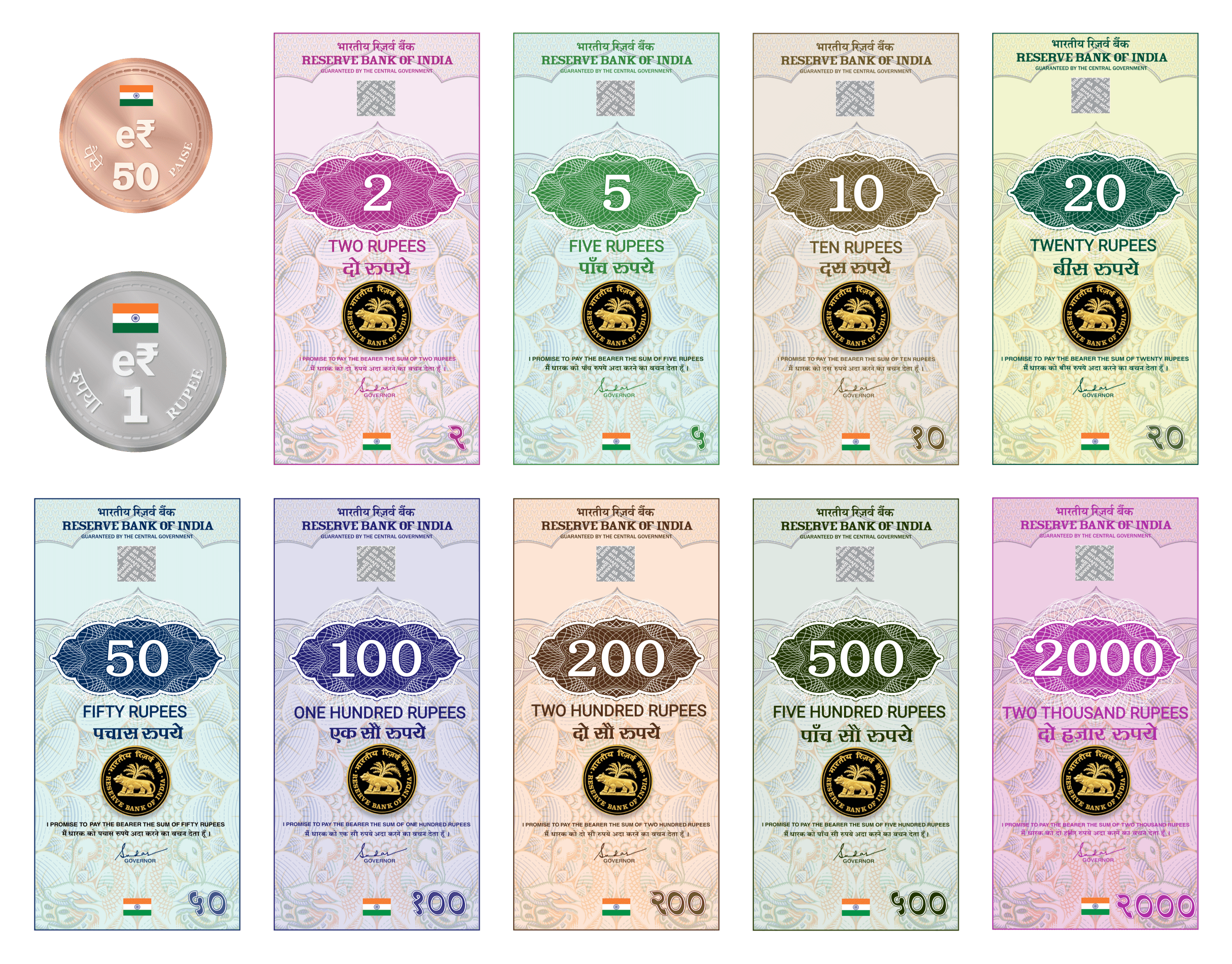
Once your wallet is ready, you can transfer money from your bank to convert into e-Rupee. It’ll show denominations like ₹100, ₹500 — just like physical currency, but digital.
Step 4: Start Transacting
You can now scan a QR code at supported merchants, or send e-Rupee to friends using their wallet ID.
And the best part? No internet is needed in some test zones — RBI is testing offline functionality using Bluetooth, which is a first in India!
Where Can You Use the e-Rupee in Daily Life?
Use Cases That Are Already Working
- Retail payments at Kirana stores
- Metro ticketing (Delhi Metro already testing e-Rupee payments)
- Government disbursements — like subsidies or scholarships
- Merchant transactions — shopkeepers with e-Rupee QR codes
- Offline payments in remote areas (still in testing)
Is the e-Rupee Safe to Use? What About Privacy?
Yes, RBI’s e-Rupee is completely safe and legal. It is just like using physical cash, but on your phone. Since there is no third-party tracking like in UPI, the privacy level is higher.
This makes it especially useful for:
- People who prefer cash for privacy reasons
- Senior citizens or people with low digital literacy
- Citizens in rural or internet-poor areas
- Those wanting direct government benefit transfers without middlemen
What’s the Global Picture – India’s Digital Currency Among World’s CBDCs
India is not alone. Over 130 countries are now exploring digital currencies, but India is one of the few countries where real pilot programs are running successfully.
Other countries testing or launching CBDCs include:
- China (Digital Yuan)
- Bahamas (Sand Dollar)
- Sweden (e-Krona)
- Brazil, Japan, Nigeria (in pilot stages)
But India is leading in terms of scale and technology testing — especially with offline and cross-border pilots coming soon.
The e-Rupee Could Empower India’s Rural Economy
Here’s a thought that many articles miss: The real success of the e-Rupee might not be in cities, but in rural India.
Why?
Because in many villages, people still rely on cash due to poor internet or lack of trust in private payment apps. With offline e-Rupee, direct government benefit transfers, and no need for internet banking, rural India could see a financial transformation.
Imagine a farmer getting fertilizer subsidy directly as e-Rupee, or a tribal artisan getting payment from Delhi without needing a bank branch nearby. This is where digital India can leap ahead.
What’s Next for RBI’s e-Rupee in 2025 and Beyond?
Upcoming Features and Developments
- More Banks and Cities to Be Added
- Offline Mode to Roll Out Widely
- e-Rupee ATMs for easy cash-to-digital conversions
- Cross-Border Transfers to Nepal, UAE (in talks)
- e-Rupee cards – possible future where tap-and-pay becomes a reality
RBI Governor Shaktikanta Das has said that the goal is “gradual, safe, and inclusive adoption” — not forcing people, but letting them discover its benefits naturally.
The RBI e-Rupee is not a trend or crypto gimmick — it’s the future of money.
While it’s still in testing mode for most users, the day is not far when your daily chai, your rickshaw fare, or your college fee could all be paid with e-Rupee — without touching a single rupee note.
If you get the chance to try it in your city, give it a shot. It’s safe, easy, and you’ll be ahead of the curve as India steps into the next big phase of digital finance.